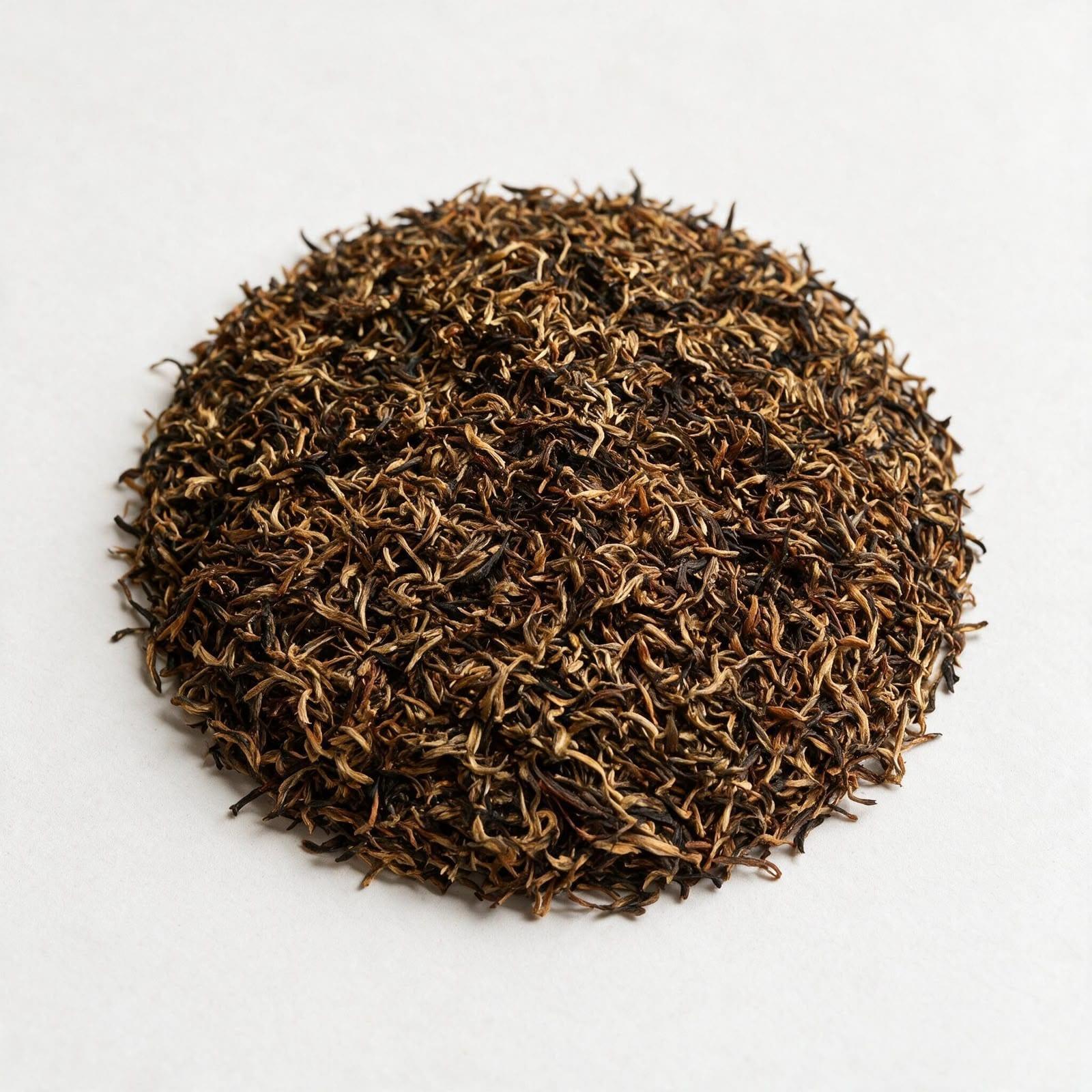
Orthodox or CTC: the same leaf, two different teas
· Dhansiri Tea · 0 comments
A common assumption is that orthodox tea and CTC tea come from different plants, or different fields, or different grades of leaf. They do not. At a garden that makes both, the same morning's plucking can be split between the two lines.
What separates them is one machine, and roughly twenty minutes of decision.
Both start the same way
Leaf comes in, is weighed, and goes straight to the withering loft. Air is drawn through it for twelve to eighteen hours until it has lost around half its moisture and turned from crisp to limp — pliable enough to work without shredding.
Up to this point there is no such thing as an orthodox leaf or a CTC leaf.
Then: rolled, or cut
Orthodox takes the withered leaf to a roller, which twists it under gentle pressure. The cell walls rupture and the enzymes inside meet the air, which is what starts oxidation — but the leaf itself stays whole. That is the entire trick. What comes out of the factory at the end still looks like a leaf.
CTC — crush, tear, curl — sends it through a set of counter-rotating rollers with serrated teeth instead. The leaf is cut into small, uniform granules. Far more surface is exposed, so oxidation is faster and more complete.
Two teas, two jobs
Everything downstream follows from that one choice.
Whole leaf oxidises slowly and unevenly, which is a virtue: it produces a layered cup with more going on in it, and enough structure left over to give a decent second infusion. It also brews slowly, which is a problem if you want tea in ninety seconds.
Granules brew fast and hard. They give colour and strength quickly, and they hold up against milk and sugar without thinning into brown water. That is why the overwhelming majority of tea drunk in India is CTC, and why blenders building a breakfast tea reach for it.
Neither is the refined version of the other. They are two answers to two different questions, made from the same leaf, a few metres apart.
You may also like
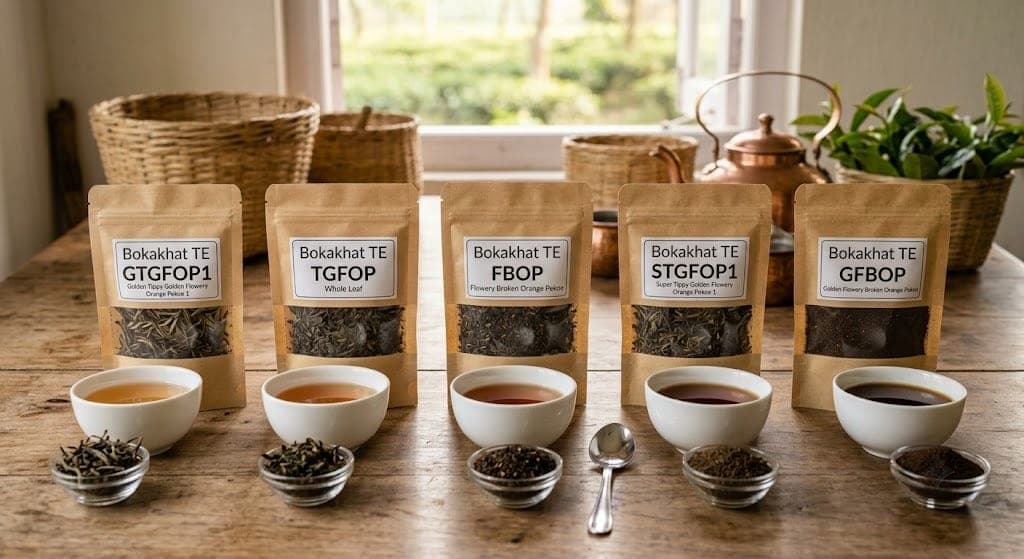
What the letters on a chest of orthodox tea actually mean
STGFOP1 is not a serial number. Every letter describes something about the leaf in the chest — and none of them describes how good the tea is.
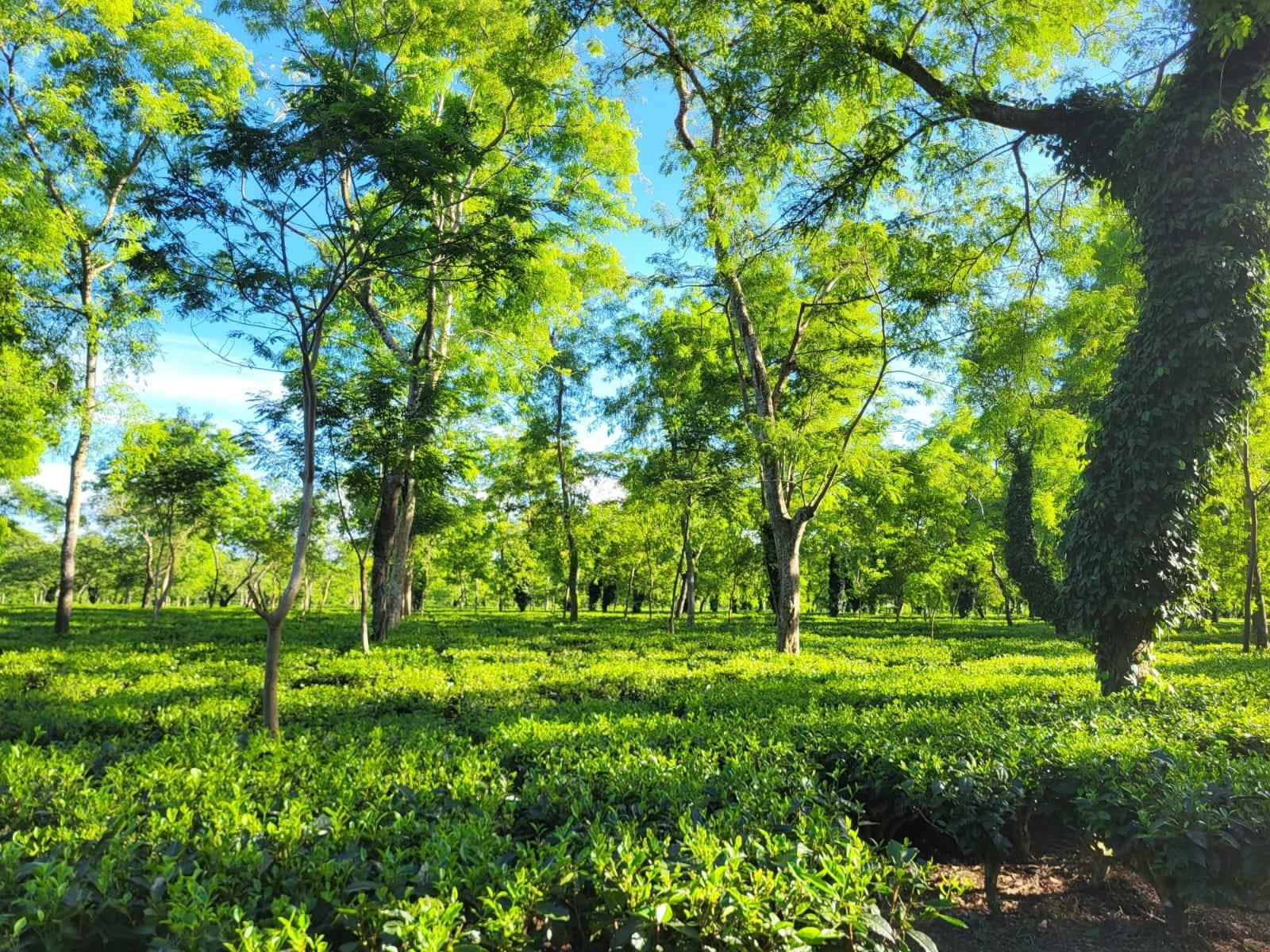
Why an Assam tea garden looks like woodland
Visitors expect neat open rows and find something closer to a forest. The trees are not decoration — they are the single biggest agronomic decision an Assam garden makes.

The hours after the leaf is picked
Everything a garden spends the year building can be lost in an afternoon. This is what the factory is actually doing.