What the letters on a chest of orthodox tea actually mean
· Dhansiri Tea · 0 comments
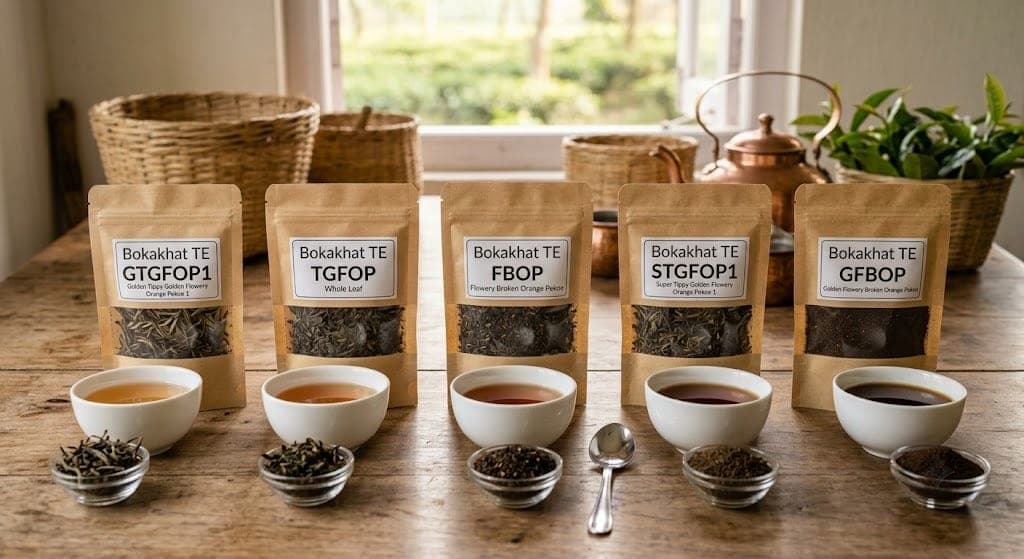
A chest of orthodox Assam arrives labelled with something like GTGFOP1, and to anyone outside the trade it reads as a part number. It is not. Every letter is doing a job, and once you can read them the grade tells you a surprising amount about what is inside.
Start at the end
The base of almost every orthodox grade is OP — Orange Pekoe. Despite the name it has nothing to do with oranges: it describes long, whole, wiry leaf. "Pekoe" comes to English through the Amoy dialect, and "Orange" is usually traced to the House of Orange rather than to the fruit.
Everything else is a prefix stacked in front of it.
- F — Flowery. The lot includes the tip: the unopened bud at the end of the shoot.
- G — Golden. Those tips have oxidised to a pale gold, which is what gives a good Assam its flecked appearance.
- T — Tippy. There are a lot of them.
- S — Super. Exactly what it sounds like, and used sparingly.
- 1 at the end marks the top of a grade where a garden produces more than one.
So TGFOP is Tippy Golden Flowery Orange Pekoe — whole leaf carrying plenty of golden tip. GTGFOP1 adds another Golden and a 1. STGFOP1 sits at the top of the ladder.
B is not a demotion
The other letter you will see is B — Broken. FBOP is Flowery Broken Orange Pekoe; GFBOP adds the golden tip.
A broken grade is smaller leaf, and smaller leaf brews faster and stronger because more of its surface meets the water. That is a different tea, not a worse one. A blender building a breakfast blend often wants exactly that briskness, and will pay for it. Judging a broken grade against a whole-leaf grade is like judging a knife against a spoon.
What the letters do not tell you
Here is the part that matters: the grade describes the leaf, not the cup. It says nothing about where the tea grew, when it was plucked, how carefully it was withered, or whether the oxidation was stopped at the right minute. Two gardens can both ship TGFOP and produce entirely different teas.
Which is why nothing leaves on a grade alone. The grade tells a buyer what shape the leaf is in. Tasting tells them everything else.
You may also like
Why an Assam tea garden looks like woodland
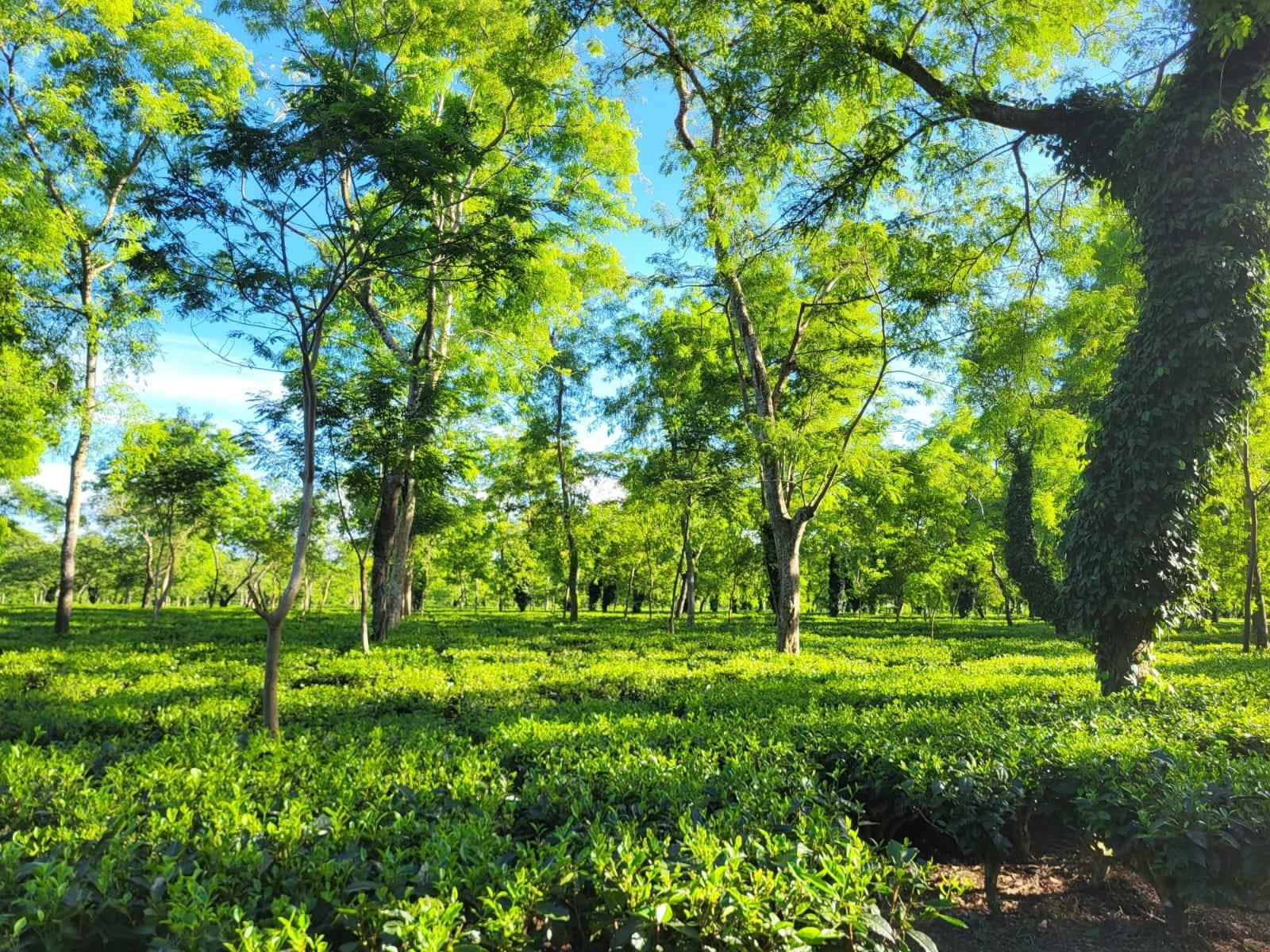
Visitors expect neat open rows and find something closer to a forest. The trees are not decoration — they are the single biggest agronomic decision an Assam garden makes.
Orthodox or CTC: the same leaf, two different teas
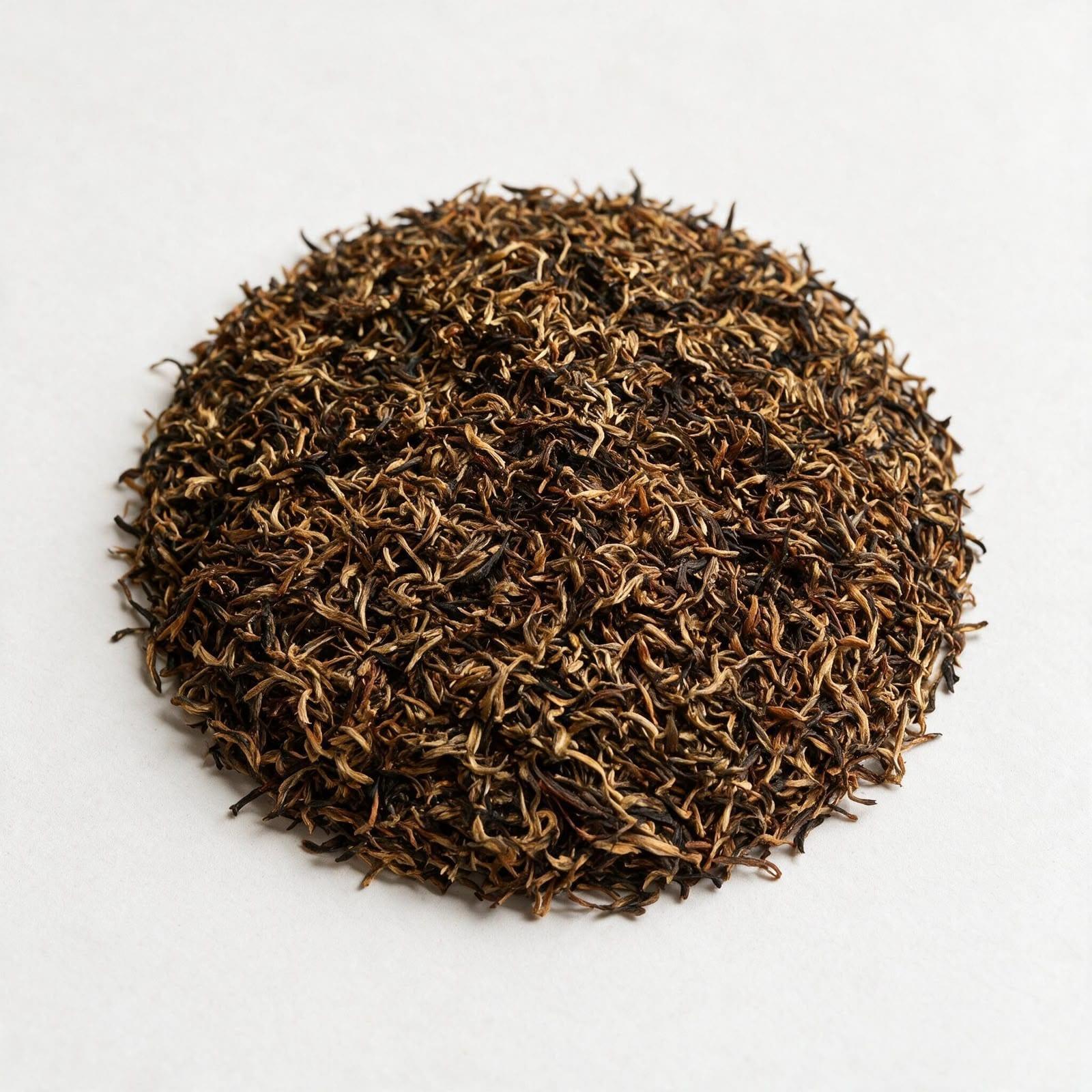
They come off the same bushes, picked to the same standard, on the same morning. Everything that separates them happens in the factory.
The hours after the leaf is picked
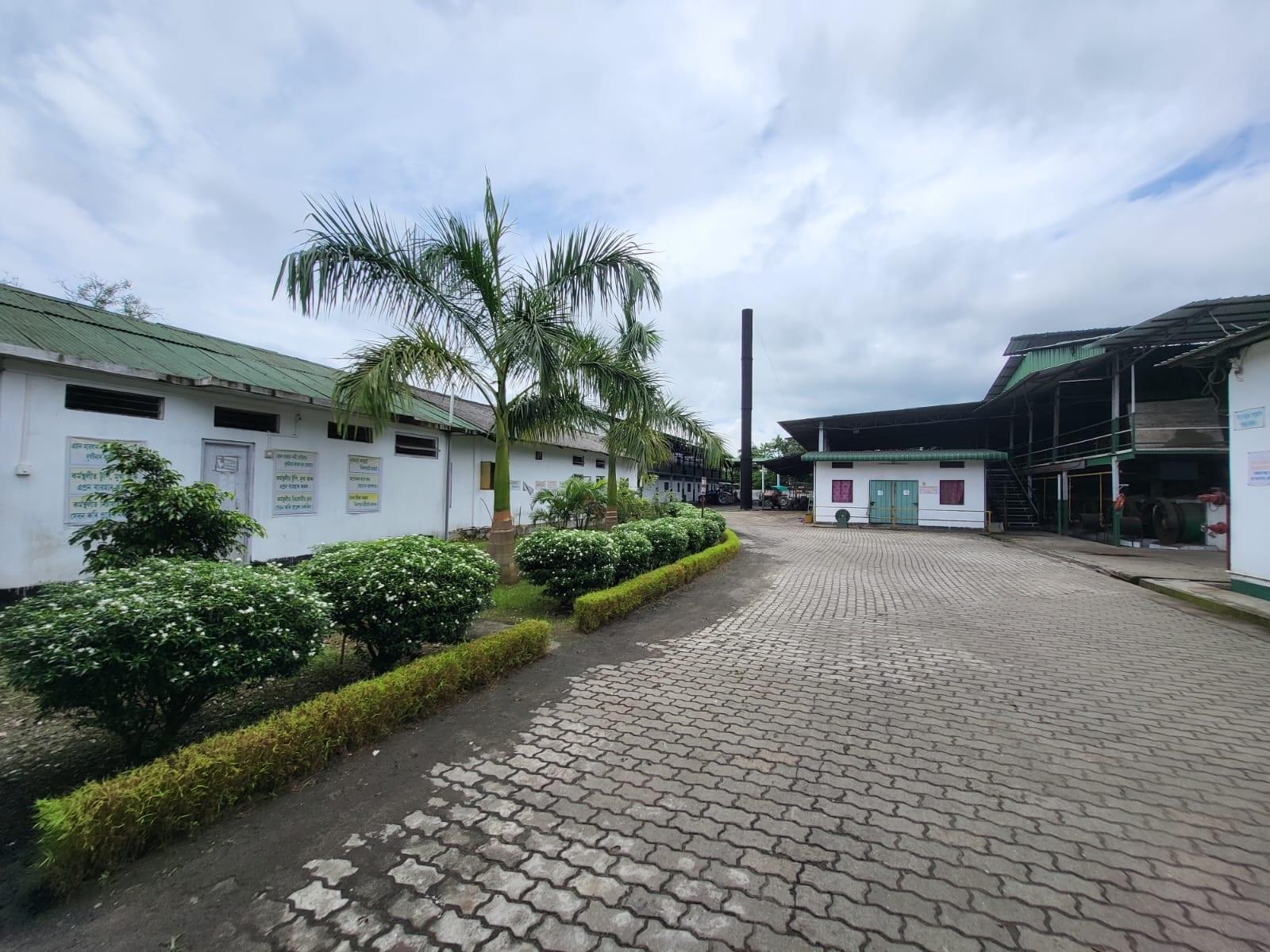
Everything a garden spends the year building can be lost in an afternoon. This is what the factory is actually doing.