Why an Assam tea garden looks like woodland
· Dhansiri Tea · 0 comments
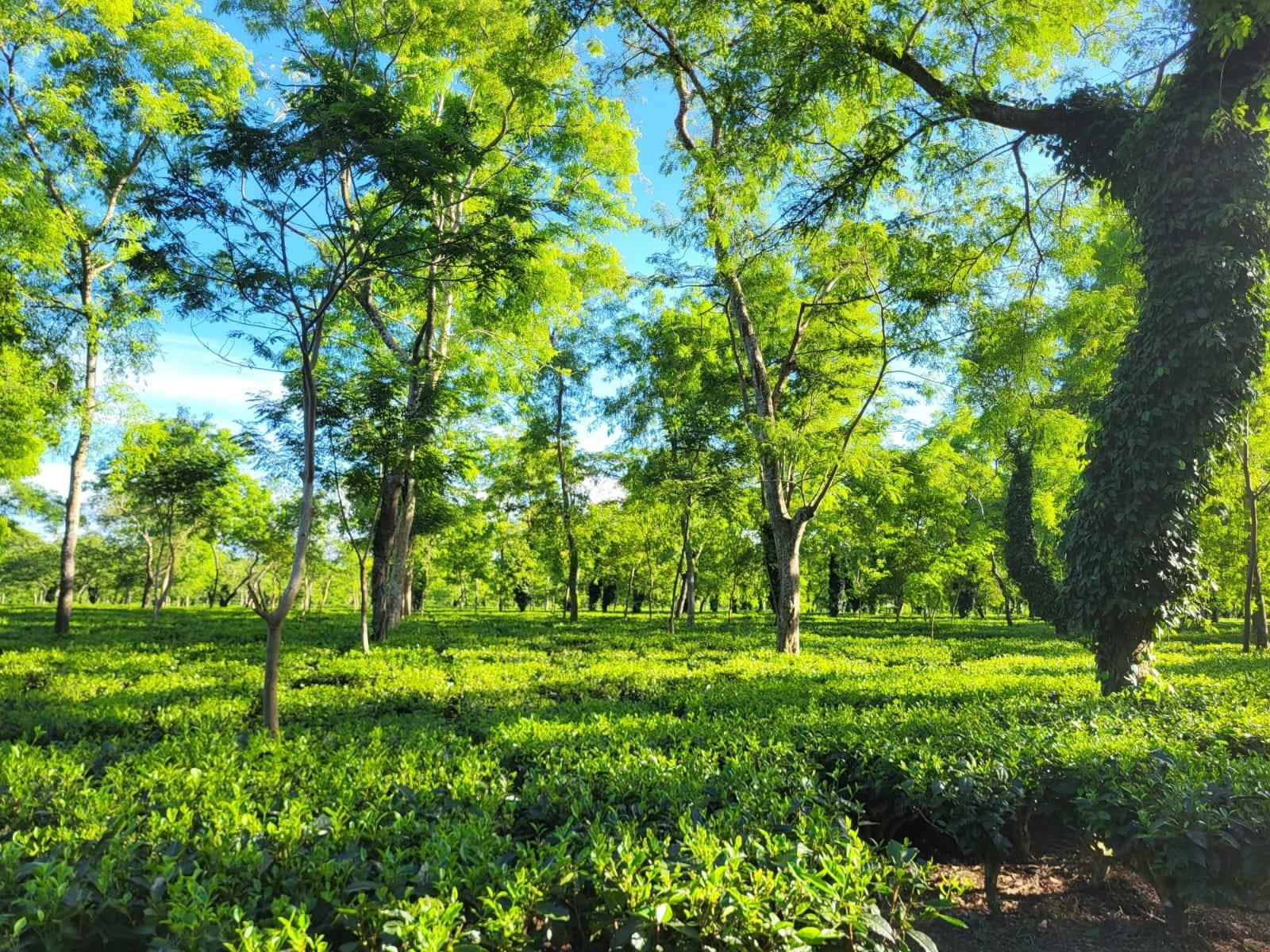
People arriving at an Assam garden for the first time often expect the picture they have seen of Darjeeling or Sri Lanka: open hillsides, neat rows, nothing above them but sky. What they find instead looks like woodland that happens to have tea growing under it.
The trees are the point.
Tea at sea level has a problem
Assam is one of very few great tea regions that sits almost at sea level, on the floodplain rather than up a mountain. That gives it deep alluvial soil and an enormous monsoon — both good — and summer heat that would cook an unprotected bush.
High-grown tea gets its slowness from altitude. Assam has to get it another way.
What the canopy does
A managed shade canopy — usually albizia and other leguminous species — does four things at once:
- It drops leaf temperature. Photosynthesis in tea falls away sharply once the leaf gets too hot; shade keeps the bush working through the middle of the day instead of shutting down.
- It holds moisture in the soil through the dry months, and breaks the force of monsoon rain before it hits bare earth.
- It fixes nitrogen. Leguminous shade trees feed the soil they stand in, and their leaf fall returns organic matter to it year after year.
- It slows the bush down.
Slower is better, and worse
That last one is the trade-off, and it is worth being honest about. A shaded bush pushes out fewer kilos than one in full sun.
What it produces instead is better leaf. Given time, a shoot builds the compounds that become flavour rather than simply adding weight and water. The same principle is why a slow-grown anything tends to taste of more.
So the canopy is a decision to make less tea on purpose. It is also, incidentally, why an Assam garden supports so much else — several hundred hectares of continuous tree cover in a landscape that would otherwise be open cultivation is doing work far beyond the bushes underneath it.
You may also like
What the letters on a chest of orthodox tea actually mean
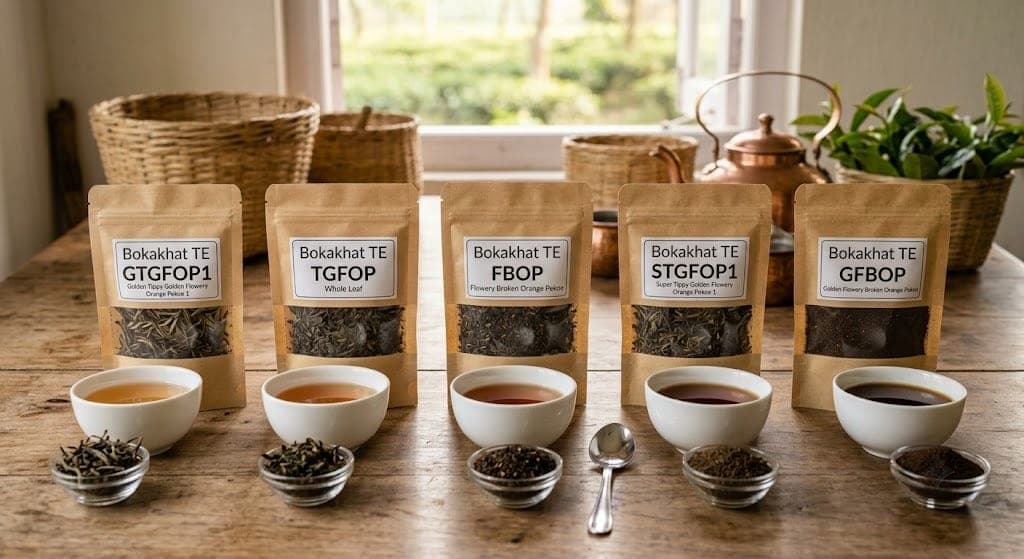
STGFOP1 is not a serial number. Every letter describes something about the leaf in the chest — and none of them describes how good the tea is.
Orthodox or CTC: the same leaf, two different teas
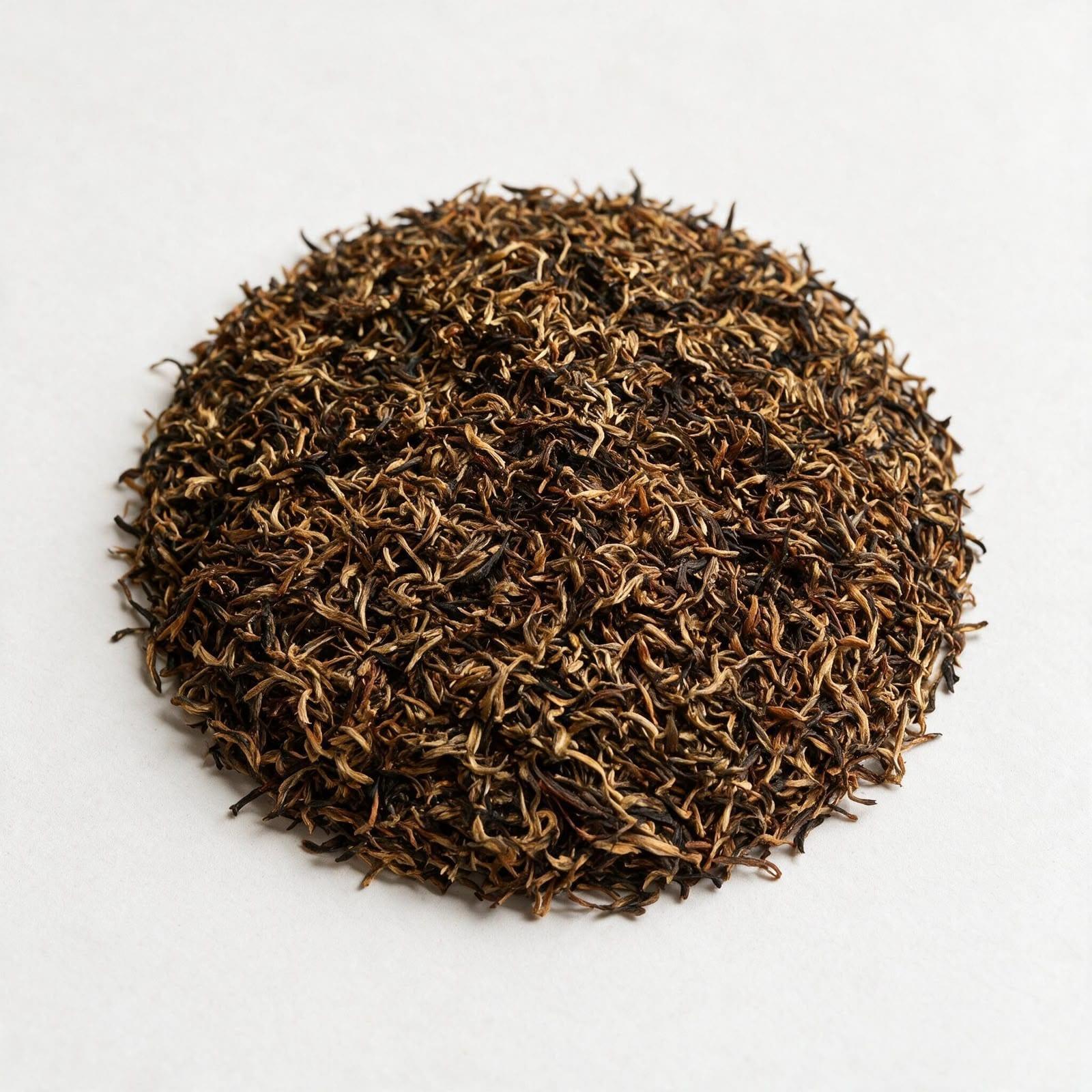
They come off the same bushes, picked to the same standard, on the same morning. Everything that separates them happens in the factory.
The hours after the leaf is picked
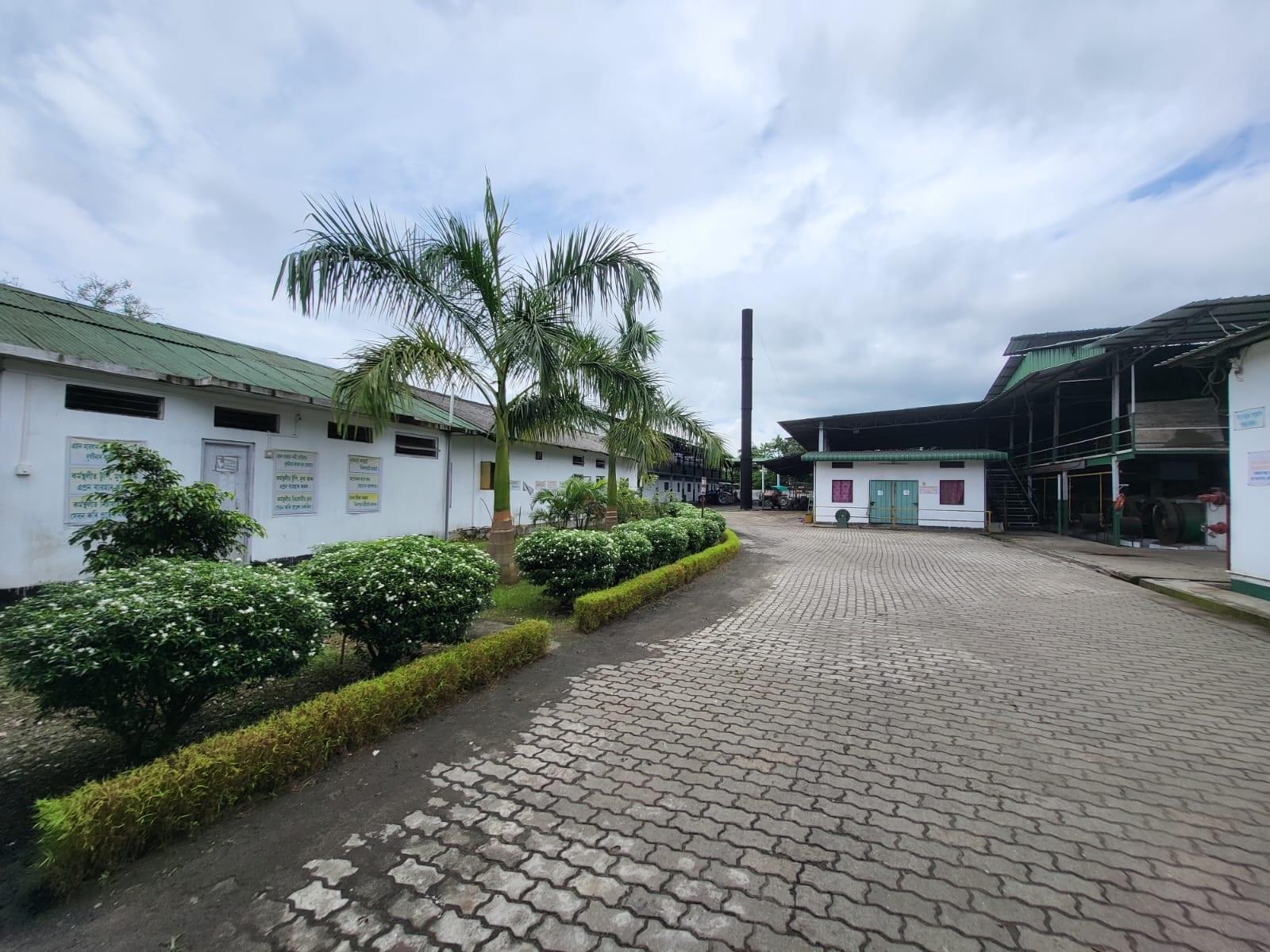
Everything a garden spends the year building can be lost in an afternoon. This is what the factory is actually doing.