
The hours after the leaf is picked
· Dhansiri Tea · 0 comments
A tea garden spends twelve months growing a shoot and the factory has about a day to not waste it. Tea begins changing the moment it is separated from the bush, and every stage from there is a matter of controlling that change rather than stopping it.
Weighing in
Leaf comes in from the sections through the day and is weighed against each plucker's record. It is spread immediately. Leaf left sitting in a heap heats up and starts fermenting on its own terms rather than ours, and nothing later recovers it.
Withering — twelve to eighteen hours
The leaf is laid out in a loft and air is pulled through it until it has lost roughly half its moisture.
This is not drying for the sake of drying. A crisp leaf shreds in the roller; a properly withered one twists. It is also a chemical stage — compounds break down during the wither that become part of the finished flavour. Take it too far and the tea comes out flat. Not far enough and the leaf tears.
Rolling
The roller twists the withered leaf under pressure, rupturing the cell walls so the enzymes inside meet the air. Oxidation starts here, on the roller table, before the leaf reaches the room named after it.
Oxidation — the short window
The rolled leaf is spread thin in a cool, humid room and watched.
It turns from green to copper as the polyphenols oxidise, and the character of the finished tea is decided in this room — brisk or malty, bright or heavy — inside a window measured in minutes. Stop it early and the tea is thin and grassy. Late and it goes soft and loses its edge.
There is no instrument for this that beats an experienced person with a nose.
Firing
Hot air arrests oxidation at the chosen moment and dries the tea down to storage moisture. Whatever the oxidation room produced is now fixed. The tea will not develop further; from here it can only be looked after or not.
Sorting, grading, tasting
The fired tea is sifted into grades by leaf size and cleaned of fibre. Then it is tasted — against the grade it is about to be sold as.
That last step is the one that matters most and gets talked about least. A tea that does not taste like what the label says does not go out under that label.
You may also like
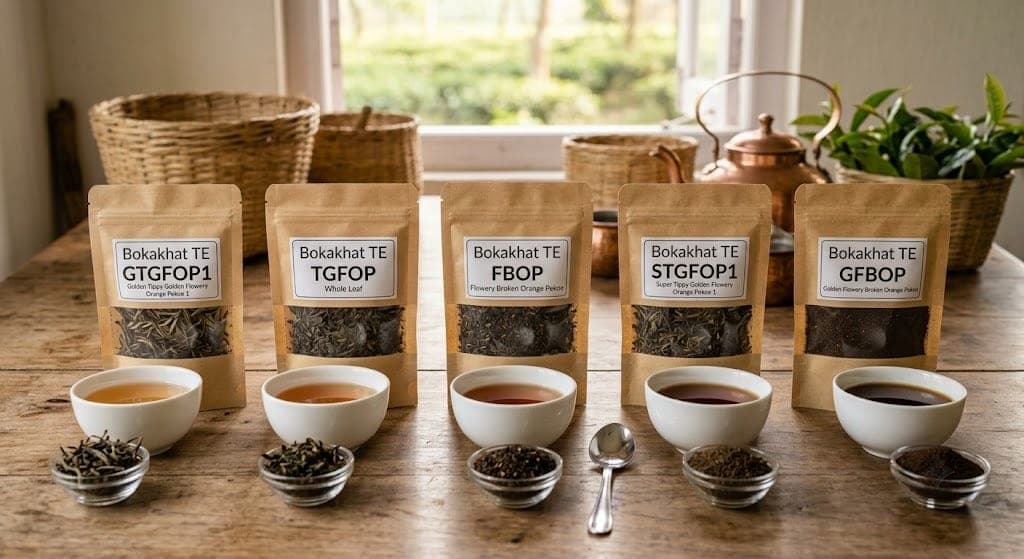
What the letters on a chest of orthodox tea actually mean
STGFOP1 is not a serial number. Every letter describes something about the leaf in the chest — and none of them describes how good the tea is.
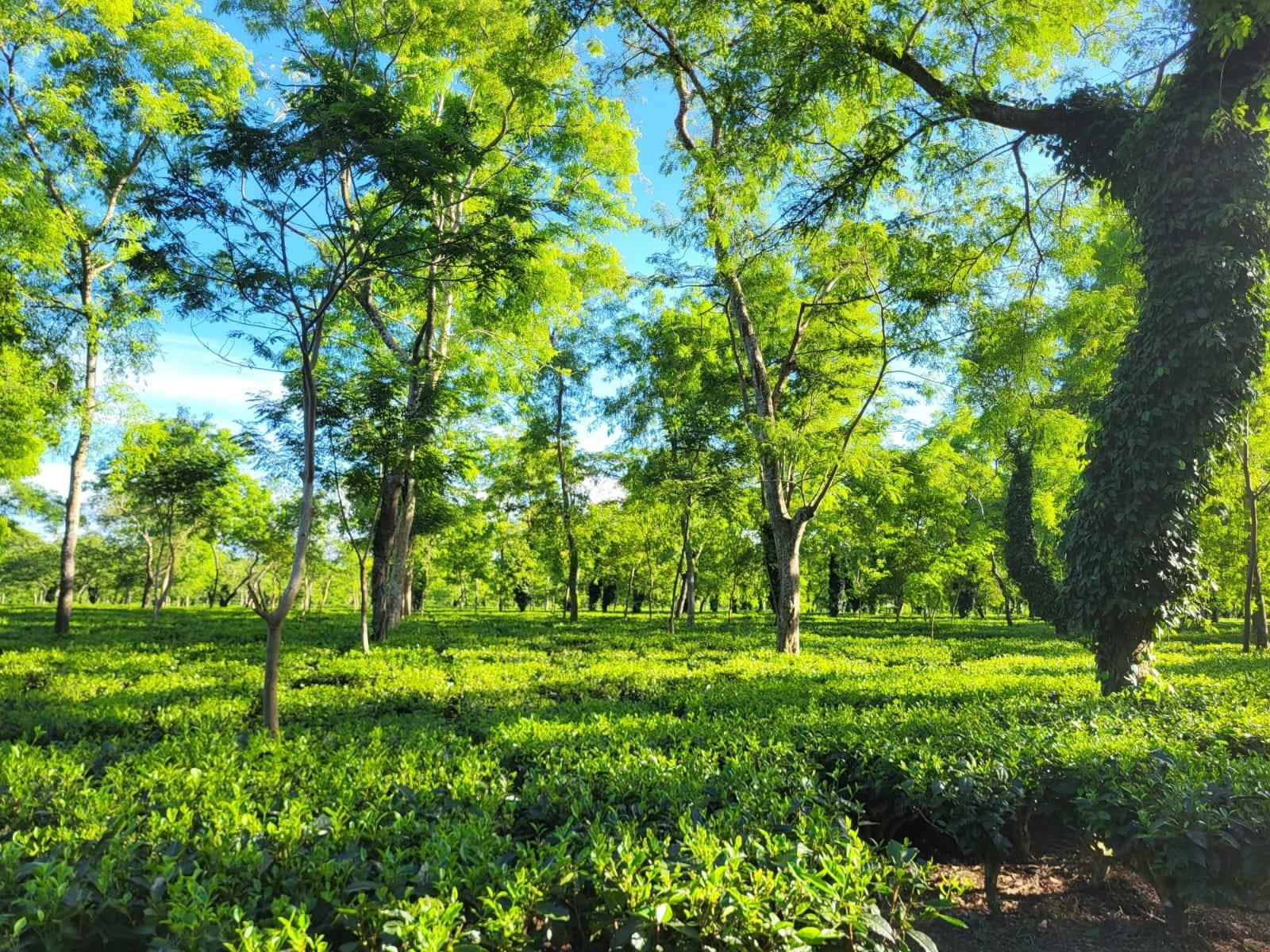
Why an Assam tea garden looks like woodland
Visitors expect neat open rows and find something closer to a forest. The trees are not decoration — they are the single biggest agronomic decision an Assam garden makes.
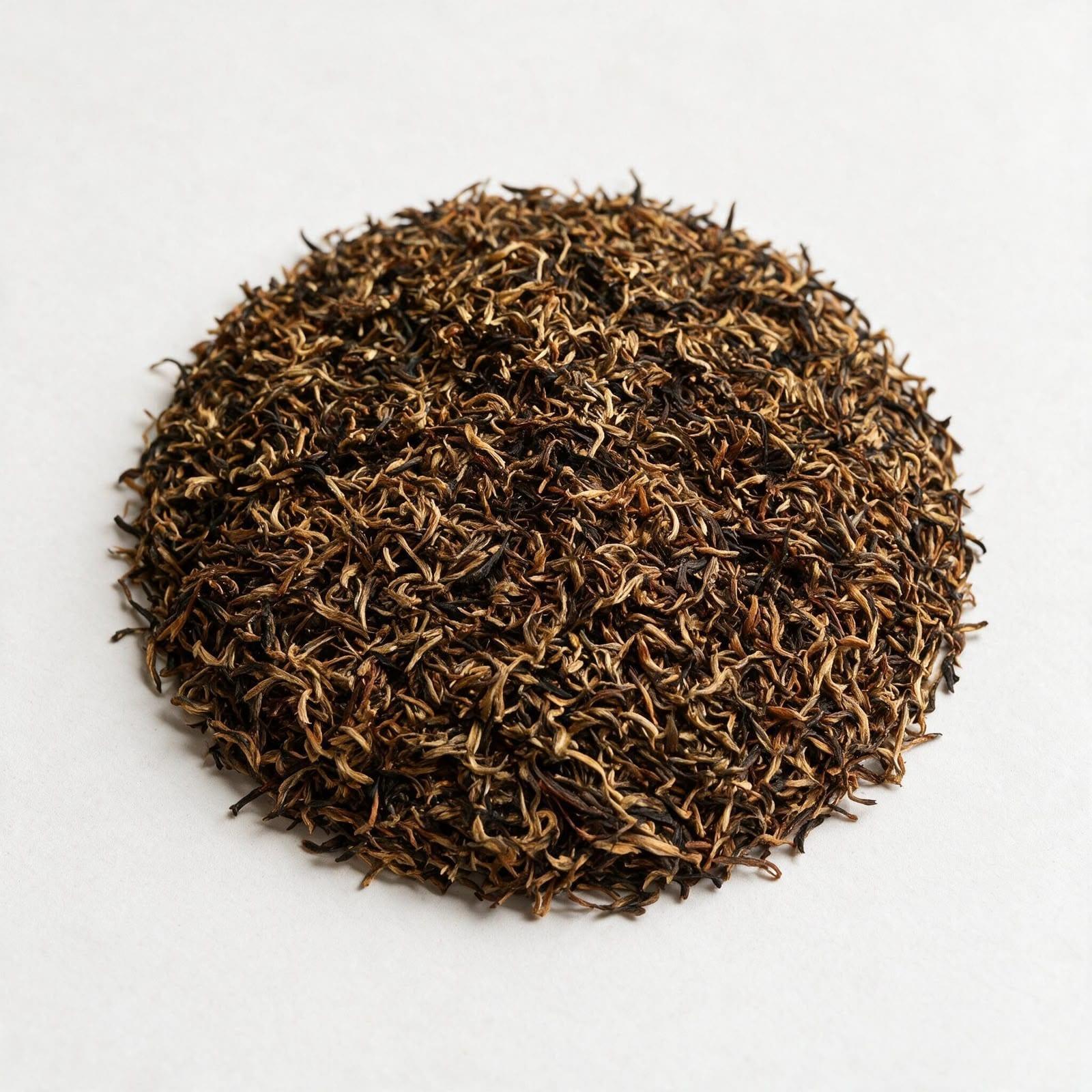
Orthodox or CTC: the same leaf, two different teas
They come off the same bushes, picked to the same standard, on the same morning. Everything that separates them happens in the factory.